Which RCM Piano Books Do You Actually Need?
Starting the Royal Conservatory of Music piano program can be confusing. There are repertoire books, etudes, technical requirements, sight-reading materials, ear-training resources, and the syllabus itself. Fortunately, most families do not need to buy everything at once.
This guide explains what each major RCM piano resource is used for, when it is worth purchasing, and where parents may be able to save money. Before buying anything, confirm your child's level and planned exam selections with their teacher, since the best choice depends on the student's program.
Quick Answer: Which RCM Books Should You Buy?
| Resource | Should you buy it? | Best use |
|---|---|---|
| Piano Syllabus | Usually not necessary | Use the free official PDF to check exam requirements and eligible pieces. |
| Repertoire Book | It depends | Good value when several of the student's chosen pieces are included. |
| Etudes Book | Recommended for most students | Develops a broad range of technical skills through musical studies. |
| Technical Requirements | Helpful but not always essential | Provides organized fingering and technical patterns for each level. |
| Sight Reading and Ear Tests | Strongly recommended | Supports the musicianship skills tested in RCM examinations. |
| Supplementary Creativity Books | Optional | Useful for improvisation, harmony, composition, and broader musicianship. |
Before You Buy Anything
Download the current piano syllabus, check the official errata, and ask your teacher which repertoire and etudes the student is likely to prepare. This prevents families from buying a stack of books when only a few are needed immediately.
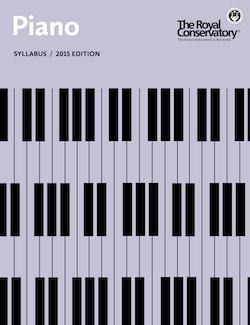
1. The RCM Piano Syllabus
What is it?
The syllabus is the official guide to the RCM piano program. It outlines examination requirements, eligible repertoire and etudes, technical work, musicianship requirements, mark allocations, and other important policies.
Do you need it?
Yes, but you usually do not need to purchase it. The current syllabus and its errata can be accessed through the official RCM website. A printed copy may still be convenient for teachers or families who prefer to mark pages and make notes.
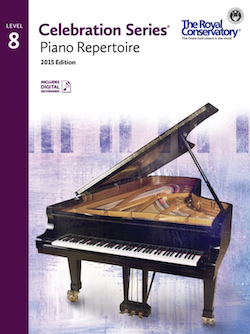
2. The RCM Repertoire Book
What is it?
The repertoire book contains graded pieces in a range of musical styles and historical periods. Repertoire normally forms a major part of a practical examination, so these pieces receive a great deal of attention during exam preparation.
Should you buy it?
That depends on the student's selections. The syllabus often lists more eligible pieces than those included in the standard repertoire book. If a student plans to learn several pieces from the collection, the book is usually convenient and economical. If most chosen pieces come from other publications, purchasing individual scores may make more sense.
How should students choose repertoire?
Technical suitability matters, but enjoyment matters too. Students often practise more consistently and perform more convincingly when they feel a connection to the music. Listening to several eligible selections before making a final choice can help the student and teacher find pieces that are both appropriate and motivating.
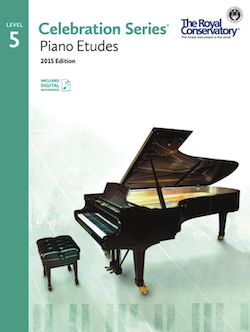
3. The RCM Etudes Book
What is it?
Etudes are short musical studies designed to develop specific technical abilities. Different etudes may focus on articulation, balance, voicing, coordination, speed, control, or other aspects of piano playing.
Should you buy it?
For most students, the etudes book is a useful purchase. Even when only a limited number of etudes are required for an examination, working on a wider selection can strengthen areas that repertoire alone may not address.
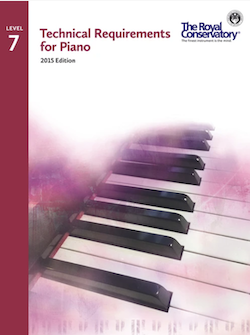
4. Technical Requirements
What is it?
Technical requirements include organized patterns such as scales, chords, and arpeggios. The technical book presents the material for each level in a structured format, often with suggested fingering and clear layouts.
Is the book essential?
Not in every situation. An experienced teacher may provide the required patterns and fingering independently. However, the book can be especially useful for younger students, independent learners, and families who want a reliable reference between lessons.
5. Sight Reading and Ear Training
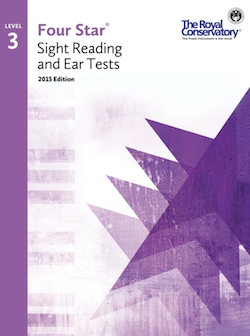
Why does this material matter?
Sight reading and ear training are sometimes given less practice time than repertoire, but they develop skills that support nearly every part of piano study. Strong readers can learn new music more efficiently, while stronger listening skills help students recognize rhythm, pitch, harmony, and musical detail.
Ear training is also a learnable skill. Students may begin with different natural strengths, but regular, progressive practice can improve listening accuracy and musical understanding.
Practising RCM Ear Training?
Try the free Piano Practice Coach ear-training quiz for extra listening practice between lessons.
Try the Free Ear-Training App6. Optional Books for Creativity and Musical Understanding
RCM examination materials provide a strong structure for repertoire, technique, reading, and listening. Some students also benefit from resources that focus more directly on improvisation, composition, and harmony.
Pattern Play

Forrest Kinney's Pattern Play series introduces improvisation through approachable musical patterns. It can be useful for students who enjoy exploring sounds, creating their own music, or developing greater comfort at the keyboard.
Chord Play
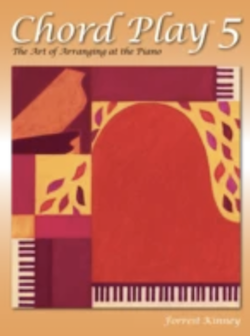
Chord Play helps students explore harmony and accompaniment. It can complement theory study by showing how chords function in real musical settings, and it is especially useful for students interested in popular music, jazz, arranging, or playing from lead sheets.
Frequently Asked Questions
Do I need every RCM piano book?
No. The most useful combination depends on the student's level, chosen repertoire, teacher, learning style, and whether an examination is planned. Start with the syllabus and the materials specifically recommended by the teacher.
Is the RCM piano syllabus free?
The official RCM website provides digital access to its current syllabi and errata. Printed versions may also be available for purchase.
Can a student use an older edition of an RCM book?
Sometimes older material can still be useful for general study, but exam requirements and approved selections can change. Always compare the book with the current syllabus and errata before using it for examination preparation.
Should we buy the repertoire book before choosing pieces?
It is usually better to discuss likely selections with the teacher first. The collection is excellent value when it contains several pieces the student will use, but less economical when most selections come from other publications.
Which book is most commonly overlooked?
Sight-reading and ear-training resources are easy to overlook because repertoire often feels more urgent. However, these musicianship skills can make the entire learning process faster and more secure.
Final Thoughts
The best RCM book list is not necessarily the longest one. A student needs the current requirements, suitable music, and enough structured material to practise each part of the program effectively. Buying with a clear plan can save money while still giving the student everything needed to progress.
Once the right materials are in place, consistency becomes the next challenge. Short, focused practice sessions usually accomplish more than occasional long sessions without a plan.
Need Help Turning the Books Into Productive Practice?
Piano Practice Coach provides friendly online practice support between lessons. A coach can help students work through teacher assignments, technical exercises, repertoire, and musicianship in a focused practice session.
Book a Practice Coaching SessionThe Ultimate RCM Guide
This PDF answers all of your questions about enrolment in the RCM (Royal Conservatory of Music) What to expect, how to get the most of the program, and everything you need to do along the way. It contains:
- A 16 week exam prep schedule
- What books and materials you will need
- Tips on how to get the best grade possible
- The dates of the next exams